Early Fault Detection

Predict downtime and quality losses

Stay ahead of process deviations and equipment failures with real-time awareness. Ethon continuously monitors live production data, flags anomalies, and prescribes the right actions to prevent downtime and quality losses before they happen.

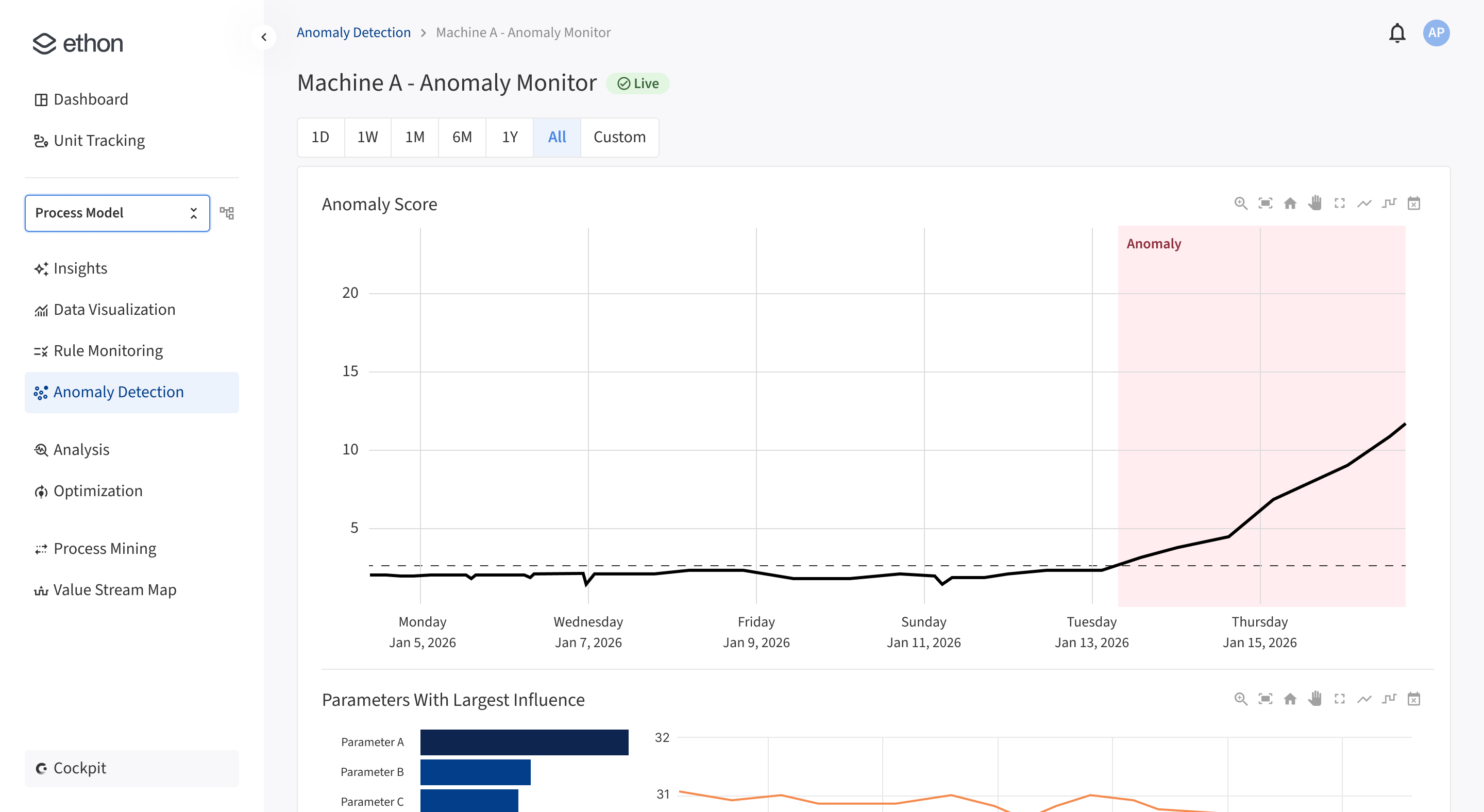
Oil painting of a worker in blue overalls and an orange helmet operating industrial machinery Ethon AI platform showing anomaly detection dashboard with anomaly score chart and parameter influence analysis

Detect, alert, and act on process deviations before losses materialize.

The first fault detection workflow that combines Causal AI with multivariate anomaly detection.

More than
0X
Earlier failure detection

Customers identify mechanical and process degradation far earlier than with traditional threshold- or rule-based monitoring.

Up to
0%
Less unplanned downtime

Early alerts enable maintenance teams to intervene before minor process deviations escalate into major disruptions such as unplanned line stops, or scrap events.

USD
0k+
Annual savings per line

Achieved through avoided breakdowns, stabilized processes, and fewer emergency maintenance interventions.

01 Select

Select what to monitor

Users choose the parameters they want to monitor — from individual signals to complete equipment groups. Any type of measurement can be included (e.g., temperatures, vibrations, pressures, speeds, flows, or other process variables), allowing precise, asset-specific monitoring setups.
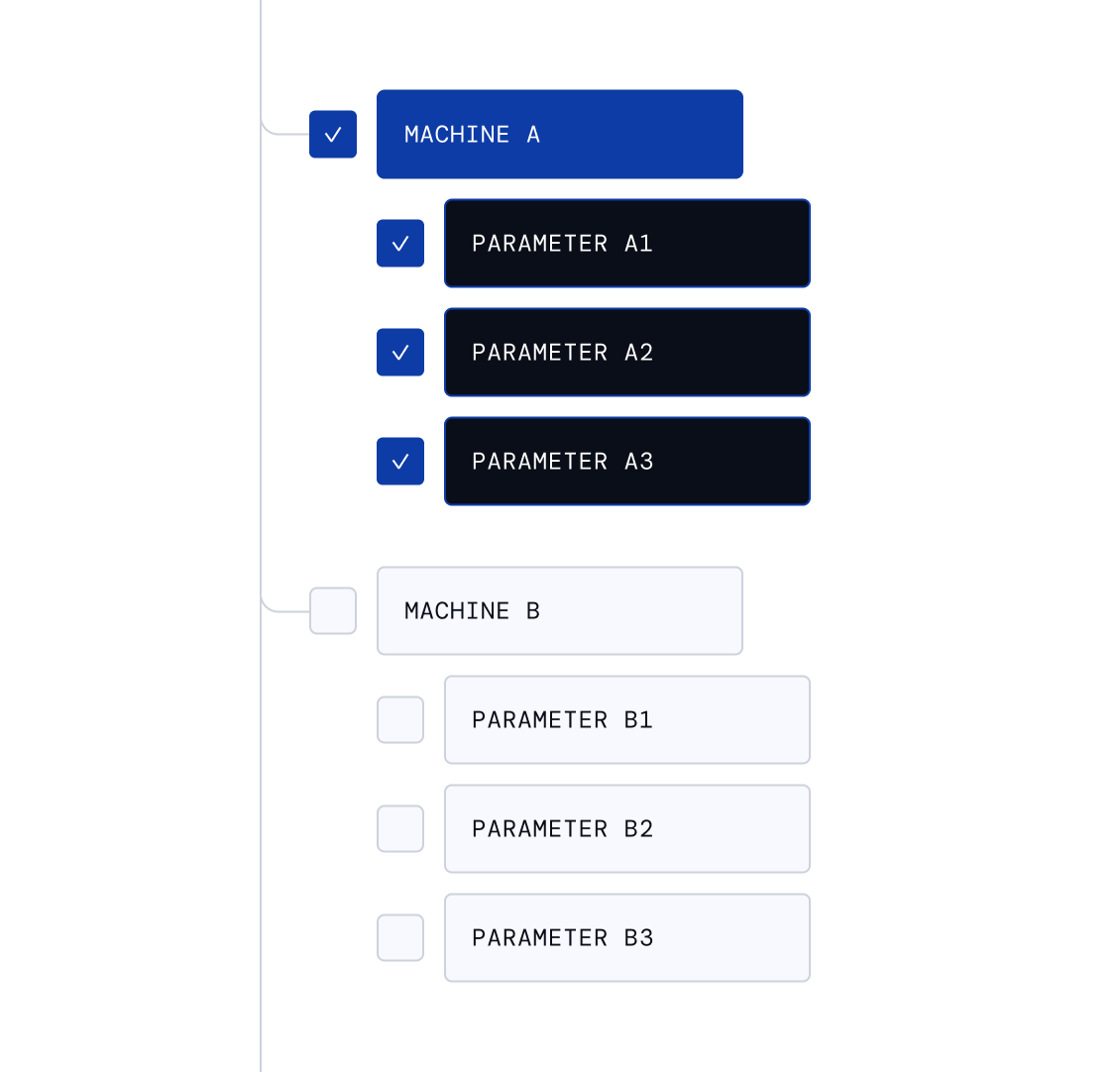
Tree view showing Machine A with selected parameters A1, A2, A3 and unselected Machine B with parameters B1, B2, B3
02 Define

Define normal behavior

Users select time windows or batches where the process or equipment was behaving normally. These instances form the baseline that captures what healthy multivariate behavior looks like.
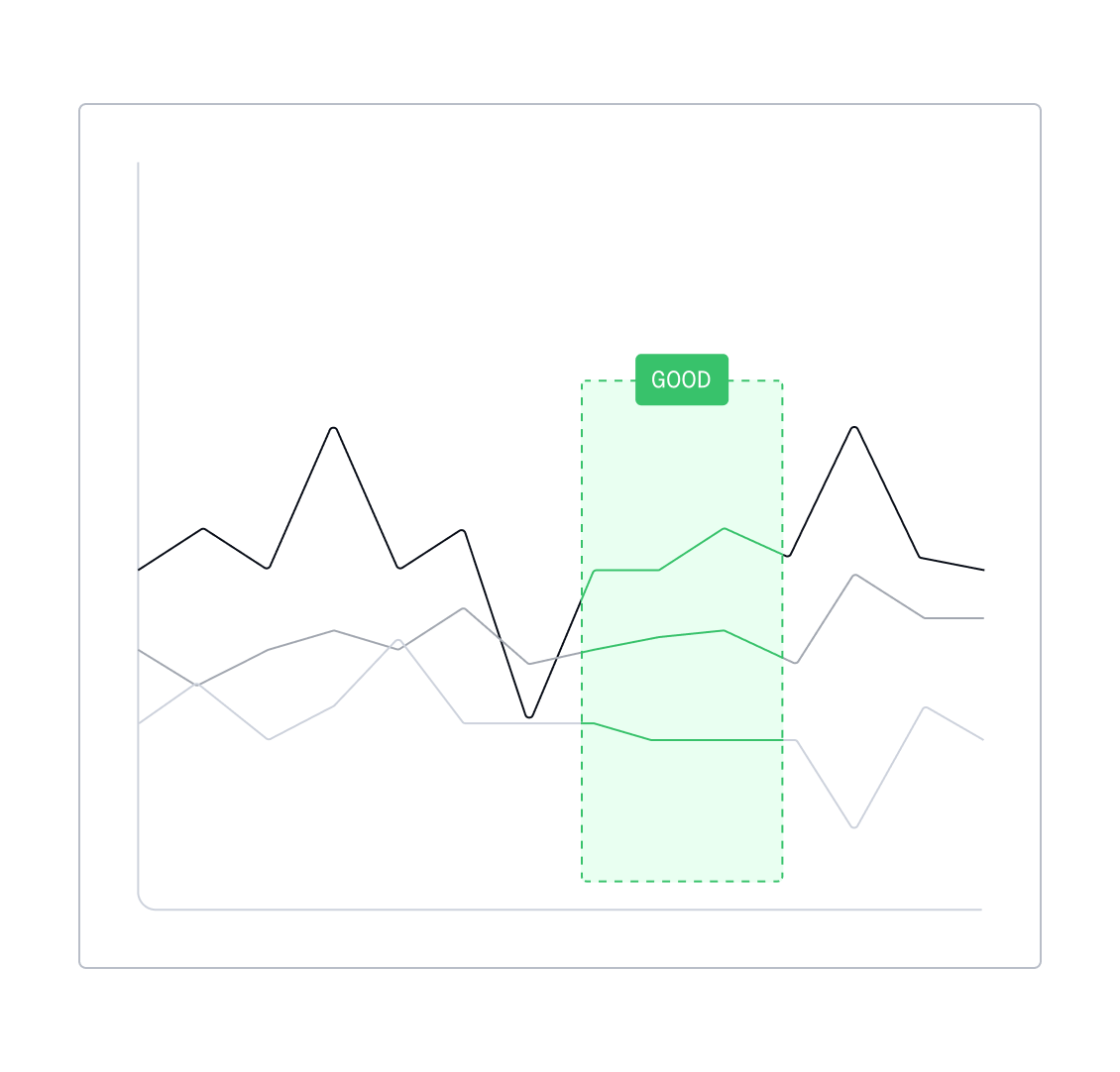
Multi-parameter time series chart with a highlighted green zone marking the defined healthy production state
03 Train

Learn the healthy baseline

Ethon learns the normal interaction patterns across all monitored parameters. The resulting model provides a robust multivariate baseline without requiring manual thresholds or domain knowledge.
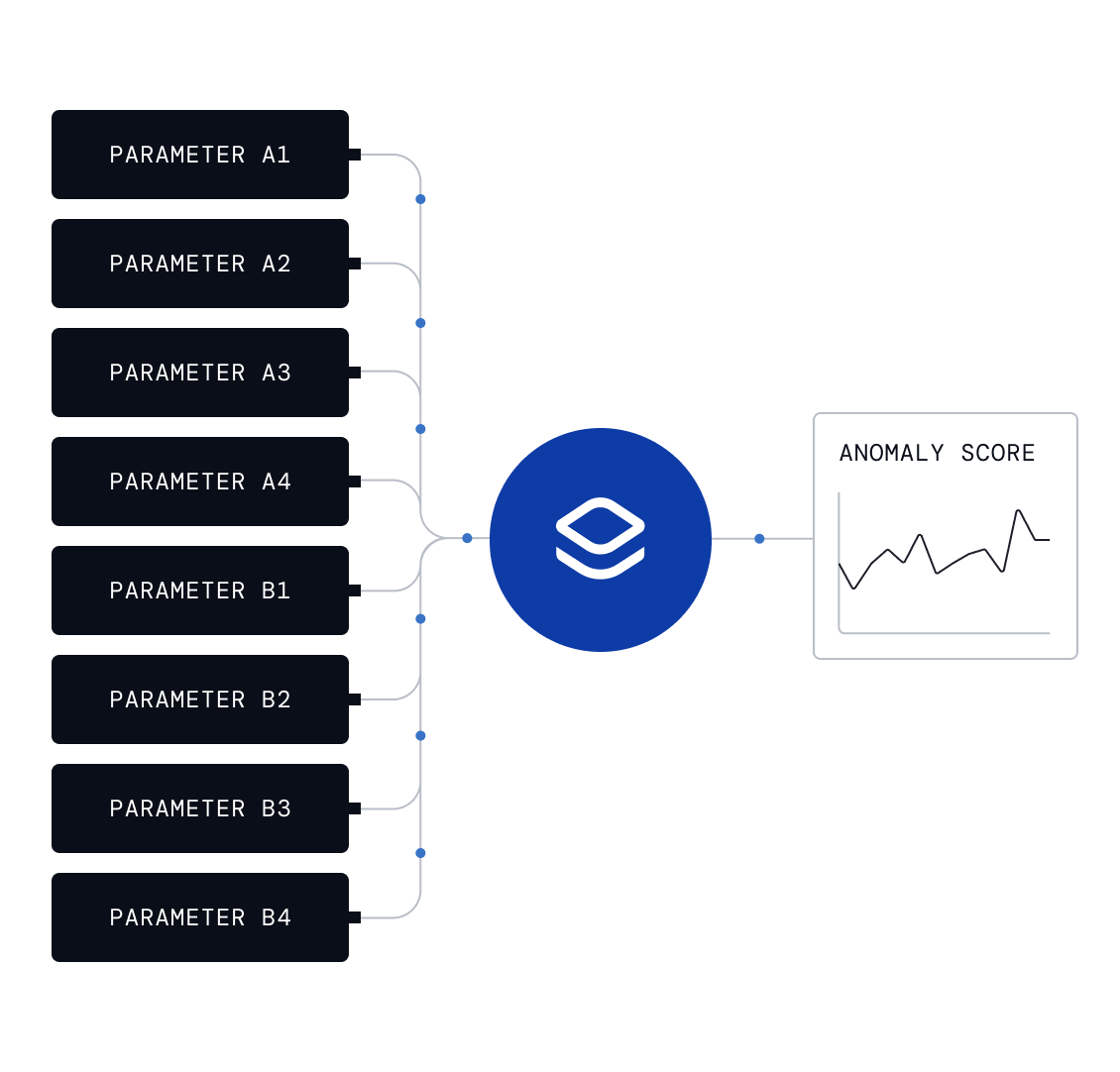
Multiple process parameters feeding into a baseline model that outputs an anomaly score chart
04 Monitor

Monitor conditions continuously

Autonomous agents continuously compare live data against the learned healthy state. Any deviation from expected multivariate behavior triggers an anomaly, enabling early detection of emerging equipment or process issues.
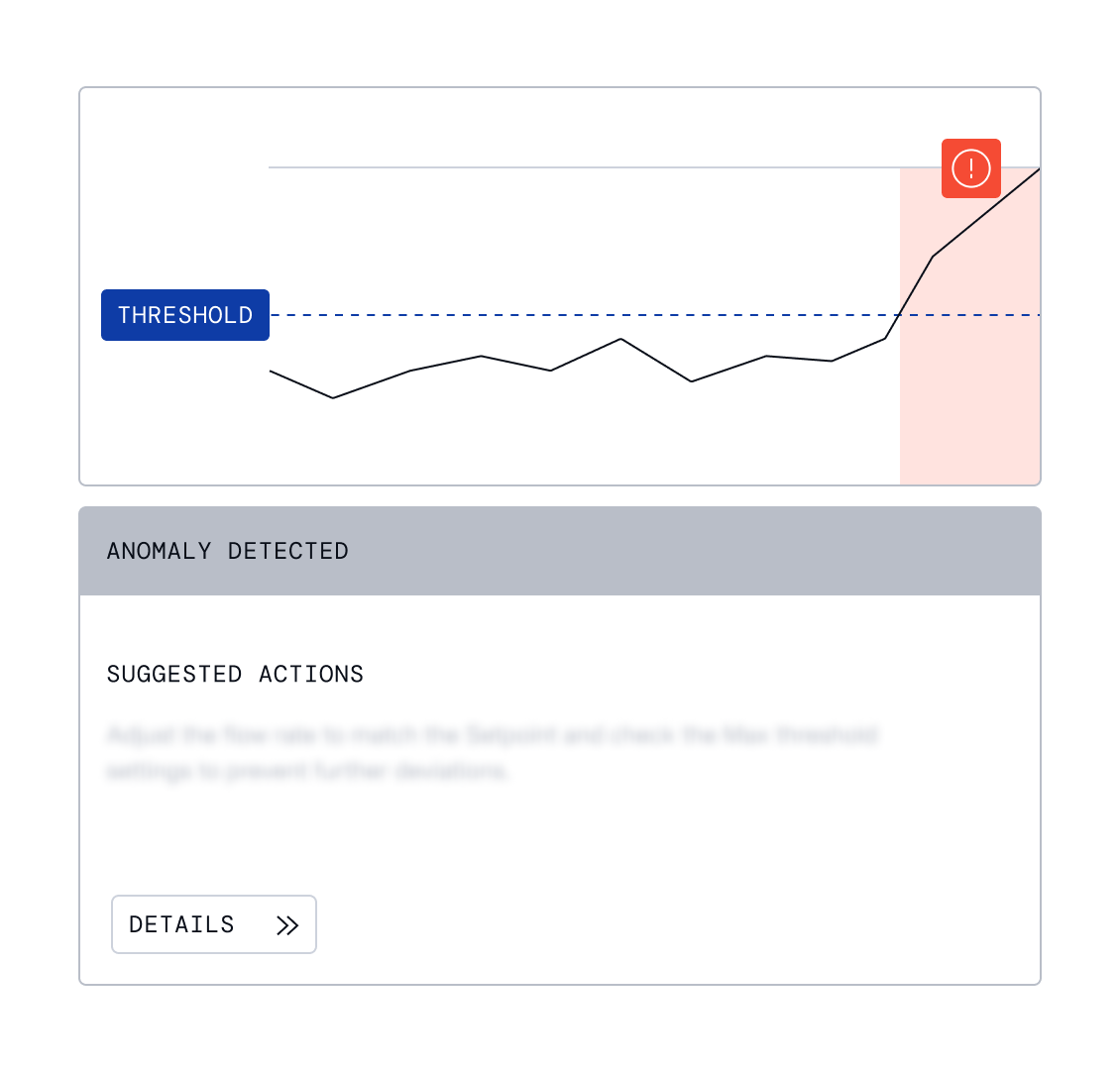
Line chart crossing a threshold with anomaly detected alert and suggested corrective actions
05 Alert

Alert teams instantly

When anomalous behavior is detected, Ethon issues alerts through dashboards or email. Each event includes an anomaly score and a transparent ranking of the parameters contributing most to the anomaly, thereby supporting rapid intervention.
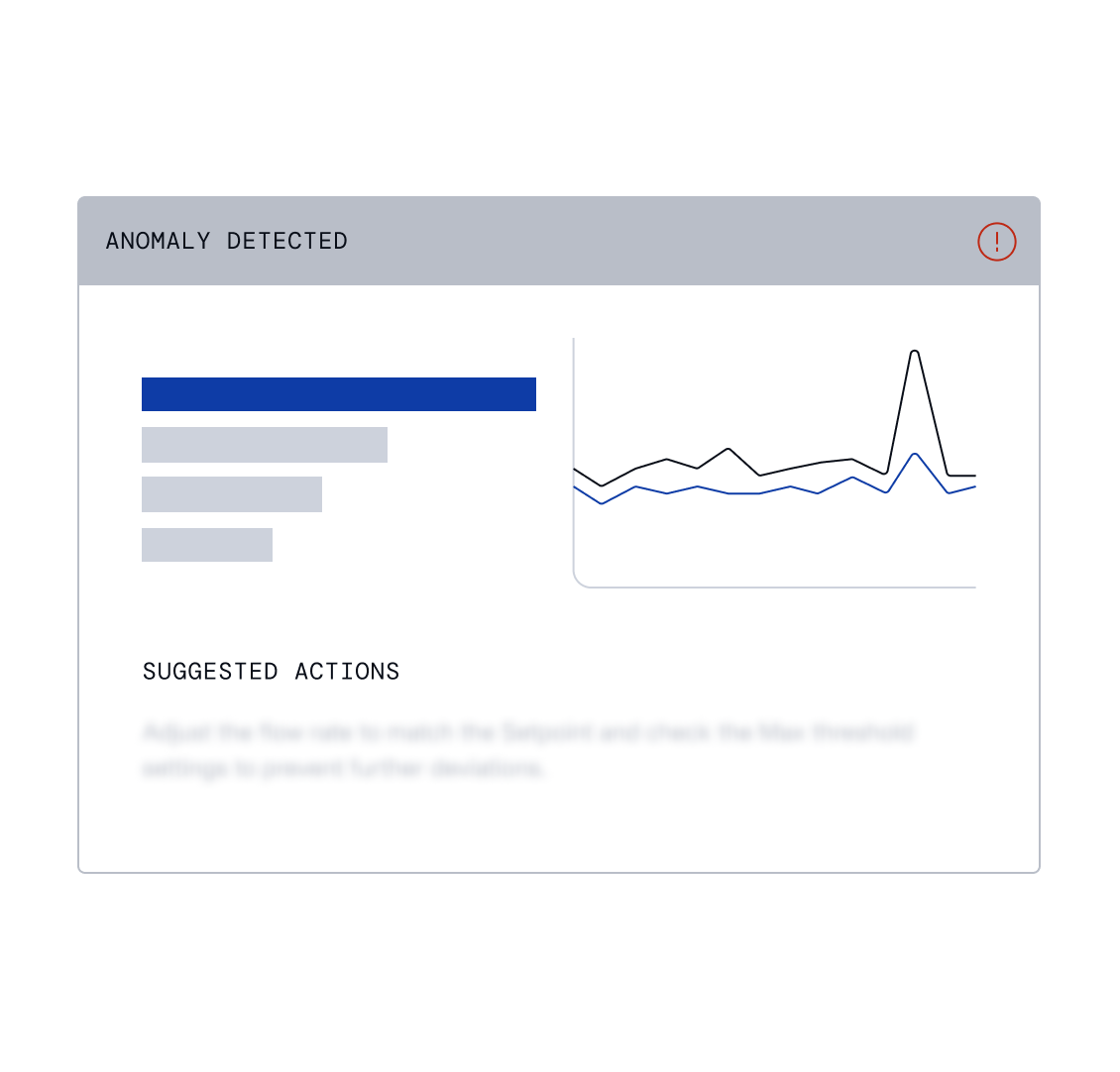

Anomaly detected alert card with bar chart, time series graph showing a spike, and suggested actions

Frequently asked questions

What are typical use cases for early fault detection?
Early fault detection is used for predictive maintenance, continuous condition monitoring, and anomaly detection to prevent downtime and quality losses. Typical use cases include detecting mechanical wear before failures occur, identifying abnormal vibration or temperature patterns, spotting process deviations that lead to batch losses, and catching early signs of equipment or process degradation before they impact yield or throughput.
What data does Ethon need to perform early fault detection?
Ethon connects to existing factory data sources such as MES, PLCs, Historians, sensors, and IoT platforms. The better the sensor deployment, for example existing vibration sensors on machines, the more accurately issues like machine downtime can be predicted. And the closer the data is streamed to real time, the faster alerts can be flagged.
How much data is needed to get meaningful alerts?
The longer the period of normal operating behavior, the better the model can learn what “normal” looks like. In most cases, it’s enough if the data captures the usual day-to-day variation in the process.
Does Ethon require data scientists to use?
No. The workflow is designed for engineers and operators. Setting up alerts is a matter of minutes, and results are presented as clear, explainable alert reports. That said, many data scientists use EthonAI through our Jupyter notebook integration to pull results directly, compare them with custom analyses, and extend workflows using Python.
How long does implementation take?
Most deployments take about two weeks to connect data sources and start running analyses. Customers typically generate value within three months.

Stop chasing problems.
Stay in control.

Meet our engineers to explore how Ethon supports your operational excellence programs.