Quality Inspection

Measure quality objectively

Collect in-line quality measurements with the industry’s most scalable computer vision software, compatible with any industrial camera. Ethon detects and counts defects, connects them to process data, and reveals the factors that drive product quality.

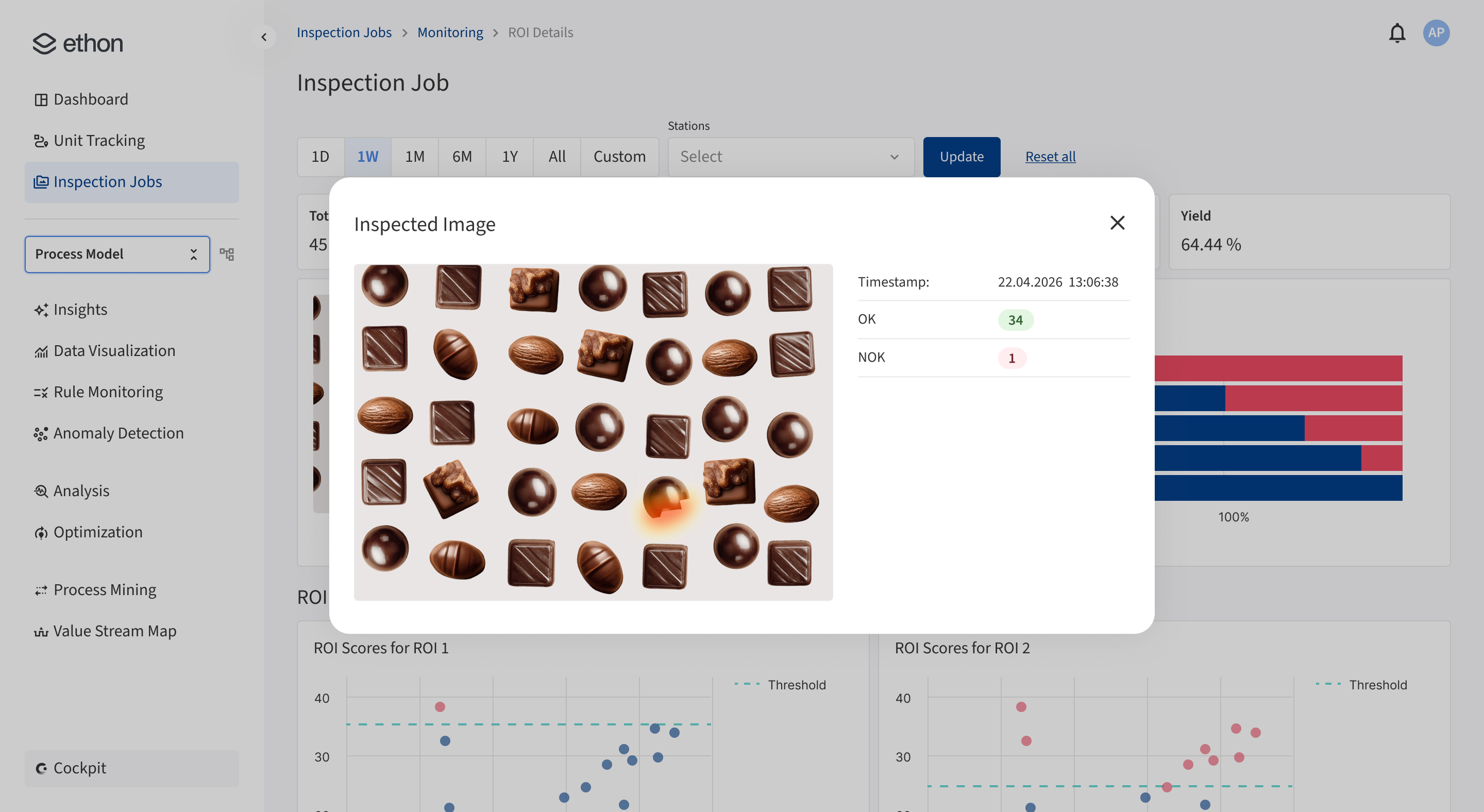
Oil painting of a person in a lab coat walking among colleagues in a bright, modern workplace Ethon AI inspection job interface displaying chocolate image grid with defect prediction details and ROI score charts

Deliver fast and consistent defect detection. Integrate with any industrial camera and learn from just a few defect-free images.

The first visual inspection workflow powered by a vision foundation model built specifically for manufacturing.

Less than
0 min
Setup time

Requires fewer than 25 defect-free images to set up, enabling deployment in under 10 minutes without days of data labeling or model tuning.

Detects
0%
Of defects

Benchmarks show Ethon’s vision foundation model consistently outperforms other quality inspection approaches across diverse product types.

USD
0k+
Annual plant savings

Achieved through reduced false rejects, fewer undetected defects, and the consolidation of fragmented legacy inspection systems into a single platform.

01 Annotate

Annotate objects with visual prompts

Using one visual prompt, the foundation model automatically finds and annotates matching regions across images. These annotated images then serve as the basis for training a model that is ready for production.
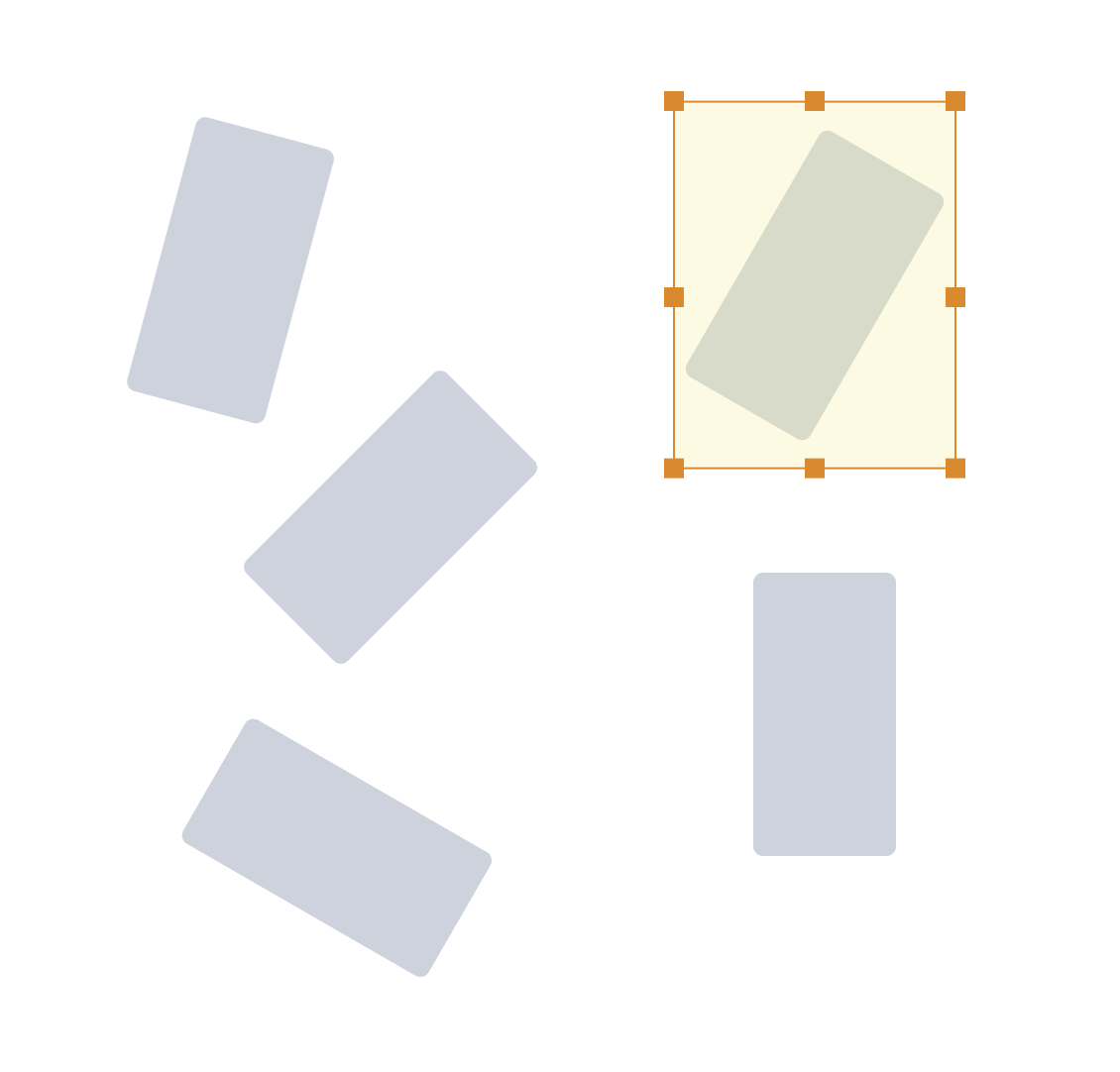
Abstract illustration of product shapes with one highlighted by a selection bounding box for zero-shot recognition
02 Thresholding

Set inspection sensitivity

Users define how strictly the model should treat visual deviations as defects. This sensitivity setting determines how the system learns what “normal” looks like and how strongly deviations are flagged during live inspections.
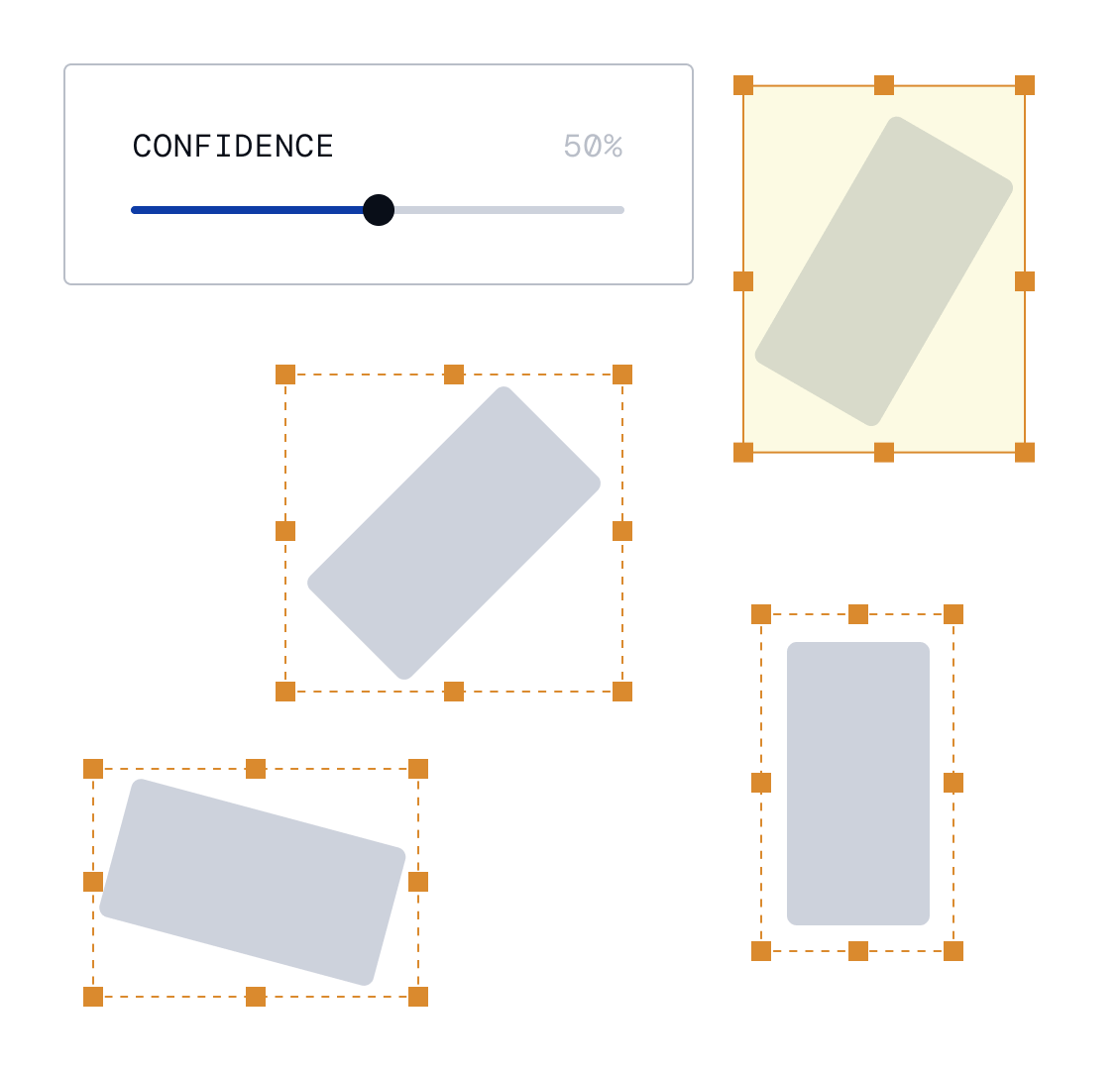
Inspection sensitivity interface showing a confidence threshold slider at 50% with bounding boxes around detected objects
03 Deploy

Deploy inspections jobs to stations

Once annotation and thresholding are complete, the inspection job is deployed to one or multiple inspection stations. The workflow is hardware-agnostic, allowing seamless integration with any existing camera system on the line.
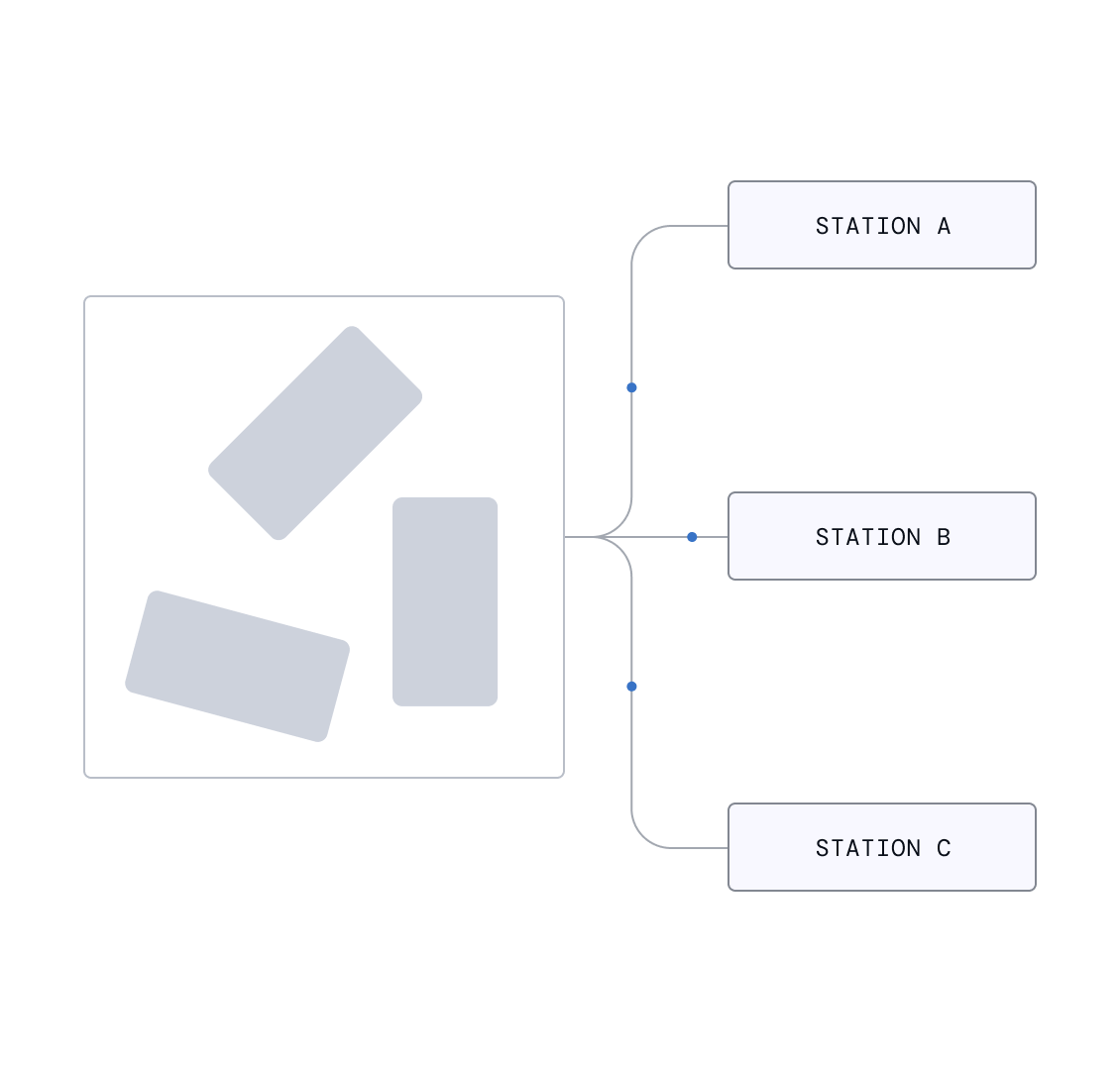
Inspection job cards distributed across three connected stations A, B, and C
04 Inspect

Detect objects in real-time

Ethon monitors production lines in real-time and detects products in varying positions and orientations. Each product is evaluated against the learned normal appearance, enabling reliable inspection even when positioning varies.
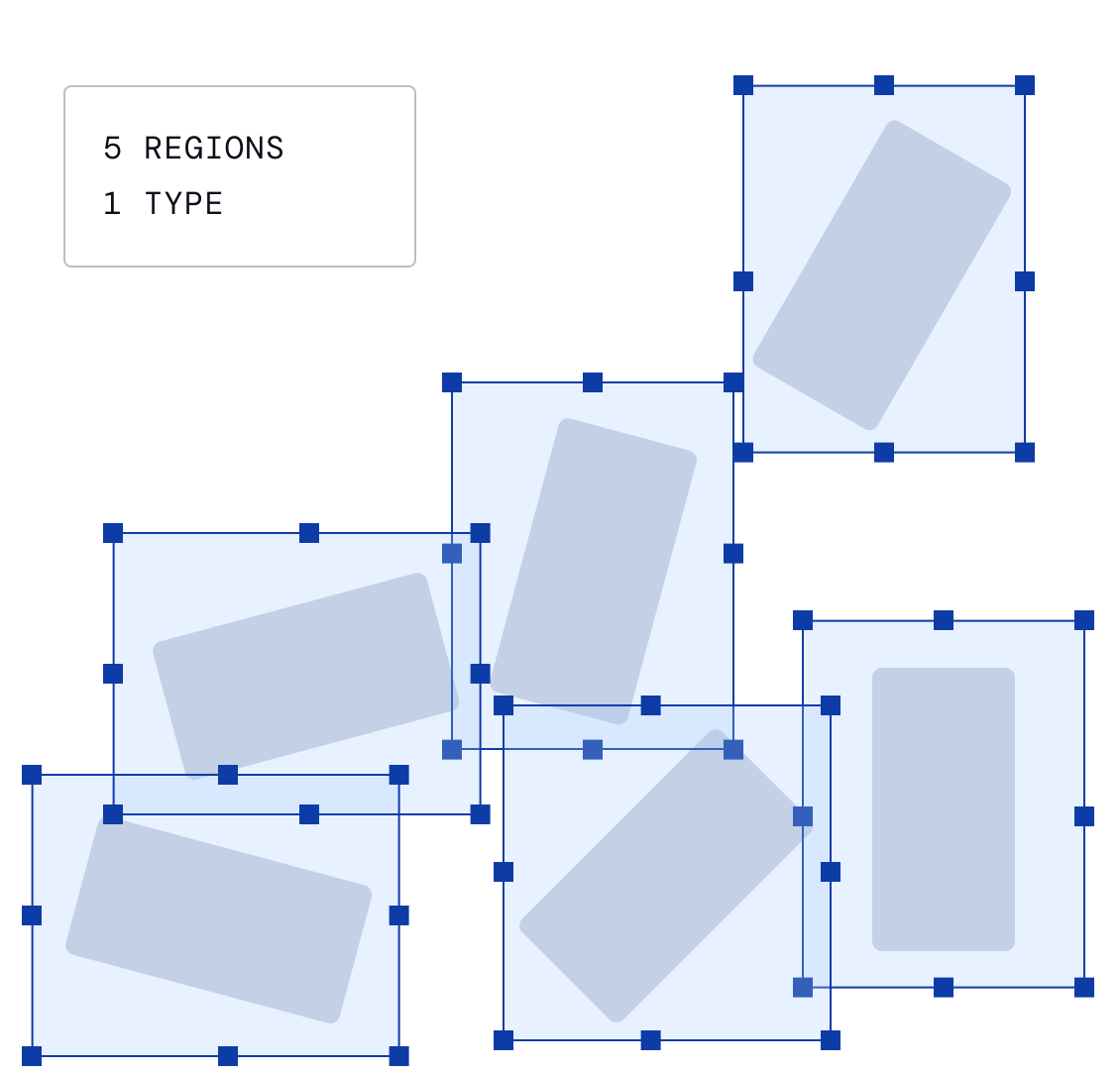
Live object detection view displaying five detected regions of one type with blue bounding boxes around identified objects
05 Trigger

Trigger actions on defects

When a defect is found, the software flags it immediately. Defects can be counted for quality KPIs, reviewed by operators, or used to trigger automated actions — such as rejecting a faulty product on a fully automated line.
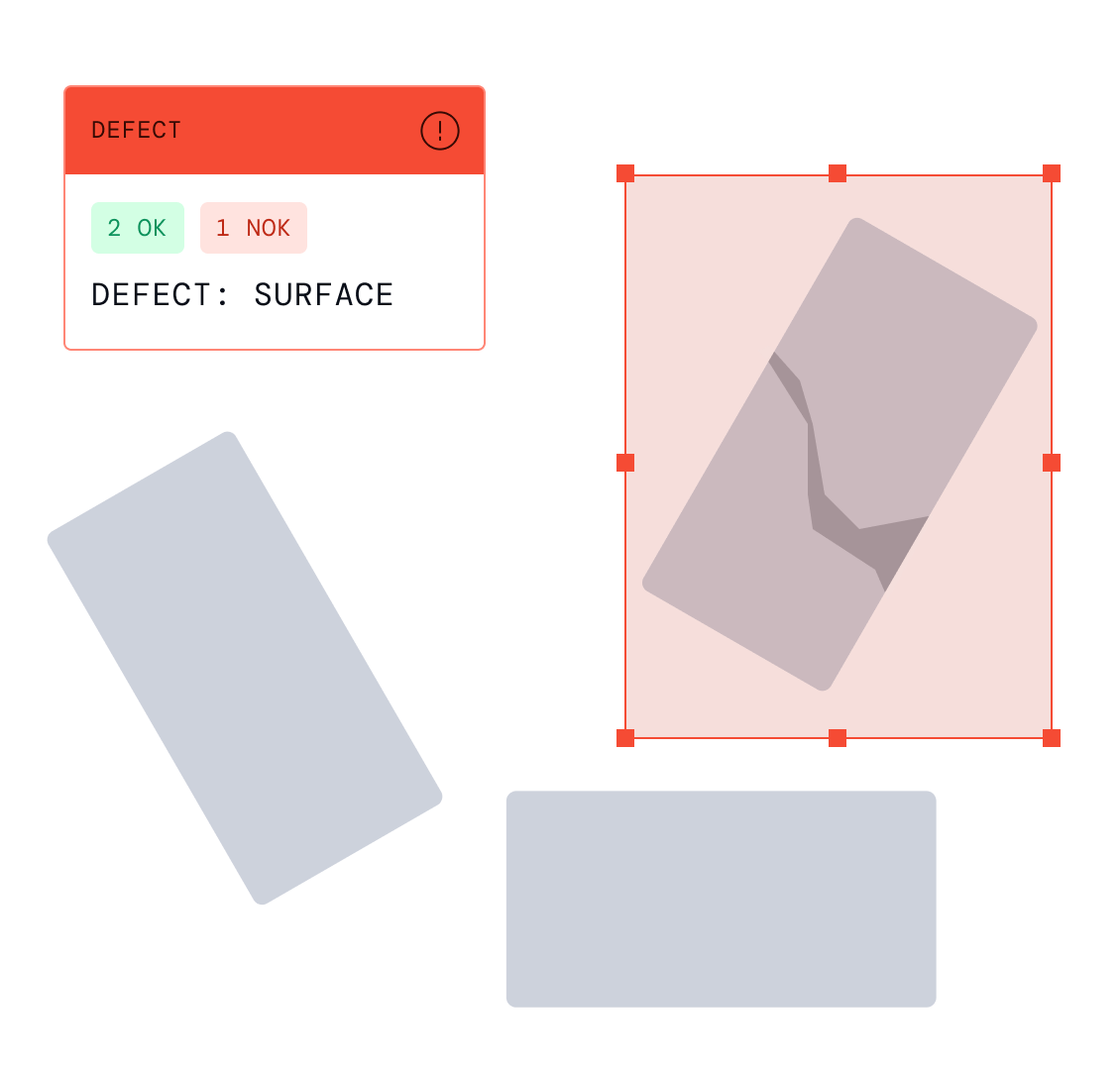
Visual inspection interface highlighting a surface defect with OK and NOK classification results
06 Analytics

Feed quality data into improvement workflows

Ethon captures all relevant context at the source: part numbers, region types, station information, defect counts, and other production metadata. These enriched inspection results flow directly into the wider Ethon platform, where they can be combined with workflows such as Process Optimization or Root Cause Analysis, closing the loop between detection, diagnosis, and prevention.
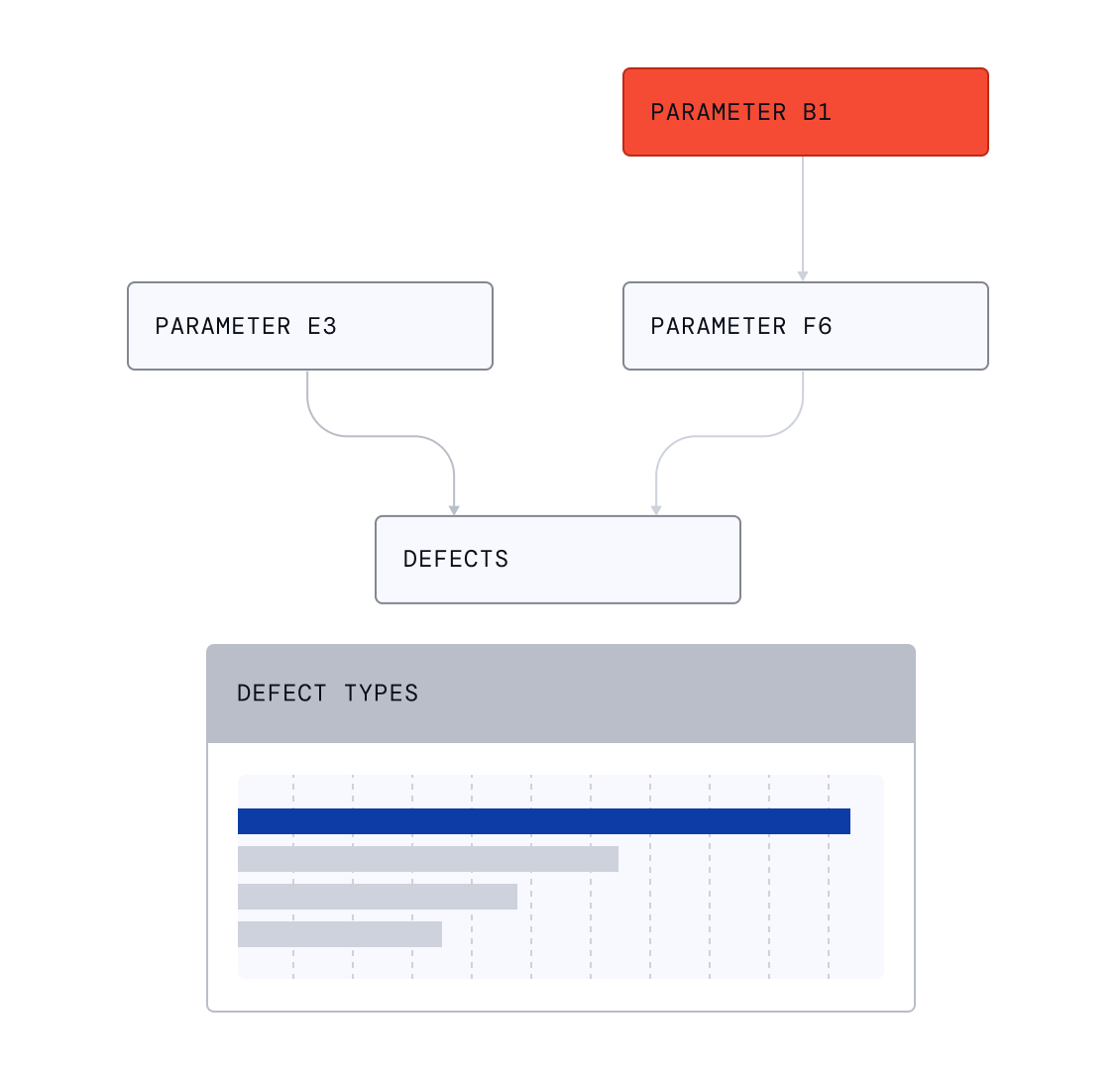

Parameter dependency tree linking to target output with defect types bar chart for quality insights

Frequently asked questions

What are typical use cases for visual quality inspection?
Visual quality inspection focuses on catching defects that existing sensors can’t detect. It’s about meeting quality standards expected by customers. For example, detecting broken biscuits, surface scratches, assembly errors, or molding misalignments before products leave the line.
What data does Ethon need to perform visual quality inspection?
Ethon requires a golden sample of 25–50 defect-free images to set up a job. In addition, customers should plan for line integration. Ethon integrates flexibly with automation systems via REST API, but it’s important to define what actions should be triggered based on OK/NOK results or returned metadata.
How much data is needed to setup a meaningful visual quality inpsection job?
Ethon requires a golden sample of 25–50 defect-free images to set up a job. The more variation included in what’s considered “good”—including edge cases—the better the model can learn to distinguish acceptable from defective parts.
Does Ethon require data scientists to use?
No. The workflow is no-code and built for process experts and operators. That said, many data scientists use the visual inspection results and metadata via our Jupyter notebook integration to pull results directly, run custom analyses, and extend workflows in Python.
How long does implementation take?
End-to-end implementation, including setup consultation, on-site training, and integration with common line automation, usually takes about two weeks.

Stop chasing problems.
Stay in control.

Meet our engineers to explore how Ethon supports your operational excellence programs.